


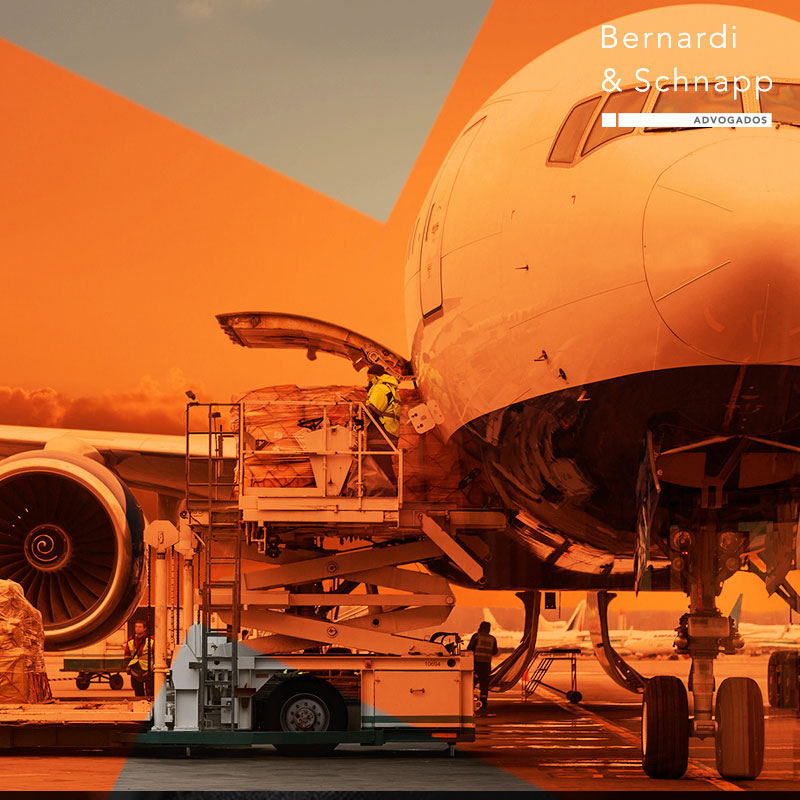
When opening the WCS, IATA spoke about advances in air cargo transport in the areas of sustainability, digitalization, and security
The International Air Transport Association (IATA) reported on March 12 at the opening of its global air cargo symposium, the IATA World Cargo Symposium (WCS), that it had reviewed progress made in the areas of digitalization, safety, and sustainability in air transport of cargo, with the aim of accelerating progress made in these priorities. At WCS in Hong Kong, Brendan Sullivan, IATA Global Cargo Director, said, “Air cargo volumes are back to pre-pandemic levels. The challenge now is to ensure that air cargo growth is efficient, safe, and aligned with the goal of achieving net-zero carbon emissions by 2050. The air cargo industry’s hard work has already laid the foundations to significantly accelerate progress across all sectors.” Sullivan said the biggest advancement in the air cargo industry is digitalization. “It did not happen as quickly as we would have liked, but the progress is real”, said the executive, explaining that inefficient manual, paper-based processes are being replaced by digital solutions in all aspects of cargo operations, from tracking to customs clearance. “Security is fundamental to the success of air cargo. Last year, the industry’s safety record reached new heights. Among the 38 million flights carried out in 2023, there were 30 accidents, of which only one was fatal. A good safety record is achieved every day. For air cargo, this means we will continue to pay special attention to the handling of dangerous goods and, in particular, lithium batteries,” said Sullivan. Regarding sustainability, airlines and shippers have given strong signals of demand for sustainable aviation fuels (SAF), which are expected to represent about 65% of the mitigation needed to achieve net-zero carbon emissions by 2050. Sullivan highlighted that there is no shortage of signs of demand for SAF from airlines and shippers, and the problem is still a shortage of supply. As with the introduction of solar and wind energy production, production incentives are the solution. “Japan is a good example. The government has imposed a 10% production mandate on fuel suppliers. Singapore has also recently taken steps to create a Sustainable Air Hub to promote the production and use of SAF. The United States has adopted tax credits related to the Inflation Reduction Act that are resulting in increased production. We need more governments to follow these positive examples,” said Sullivan. – https://aeroin.net/ao-abrir-o-wcs-iata-falou-dos-avancos-no-transporte-aereo-de-carga-nas-areas-de-sustentabilidade-digitalizacao-e-seguranca/


