


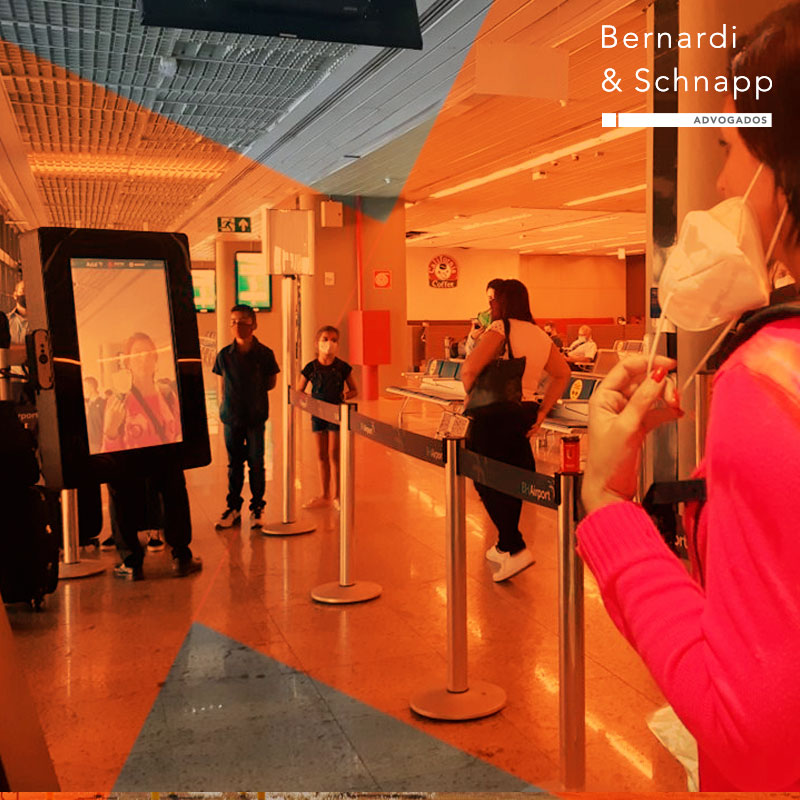
With digital boarding technology, passengers can save up to 80% of time at airports
After the crisis in the aviation sector due to covid-19, the increase in traffic at airports that allowed the reactivation of this sector was higher than expected in several terminals: in 2021, in Brazil alone, more than 62 million people boarded at airports, a 20% increase compared to 2020, according to Brazil’s Civil Aviation Agency (ANAC, in Portuguese). And this number tends to increase even more, since the number of people who passed through airports in Brazil in 2019 was more than 119 million. Travelers’ anxiety to return to their trips and the re-heating of the sector have also brought to the fore certain operational challenges, which consequently affect the passenger experience, such as increased congestion and delays at air terminals during check-in and travel processes to the boarding gates. Faced with these difficulties and to find a way out to increase the well-being of passengers and improve the processes of airport authorities, a solution that many terminals are implementing in the world is the technology of biometric and document verification. This digital boarding technology cuts up to 80% of the time it takes to process passengers at airports, as they do not have to present their passport or ID card and boarding pass multiple times before boarding the plane. It would be enough to verify them once, and they could then pass quickly through all the biometrics checkpoints, also avoiding the possibility of identity fraud. In addition, this system also positively impacts the mental health of passengers, as, by reducing waiting times, especially in security control, immigration control, and baggage delivery, they may perceive less negative emotions, such as frustration, anxiety, and fear. – https://www.aeroflap.com.br/com-tecnologia-de-embarque-digital-passageiros-podem-economizar-ate-80-de-tempo-em-aeroportos/


